The police call that sent Konerak back to Dahmer — and the Polaroids that ended it
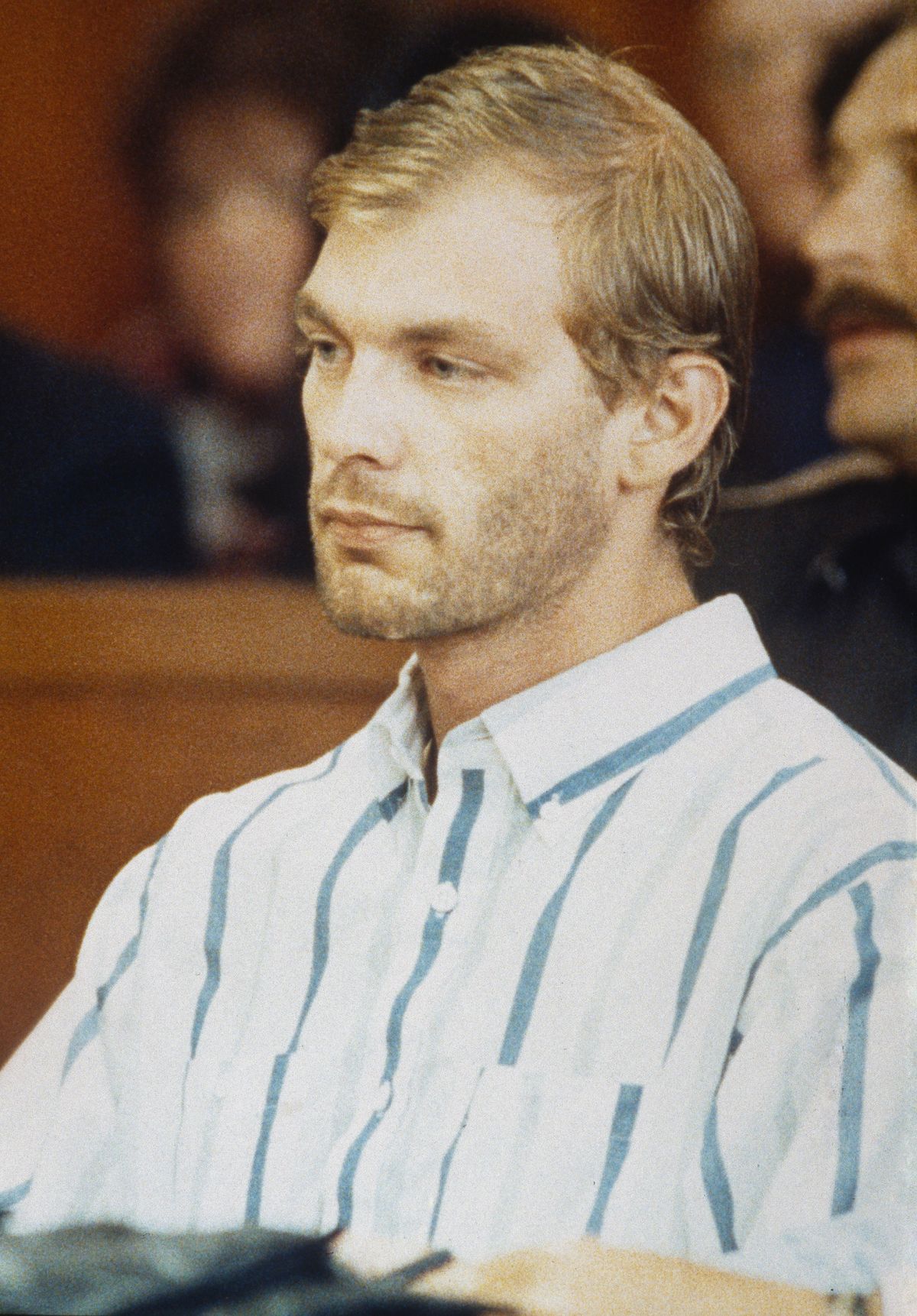
The two teenage girls made the call on May 27, 1991.
They had found a naked, drugged 14-year-old boy wandering on a Milwaukee street.
That boy was Konerak Sinthasomphone, and he had escaped from Jeffrey Dahmer's apartment.
Police officers John Balcerzak and Joseph Gabrish arrived and spoke to Dahmer.
Dahmer claimed the boy was his 19-year-old boyfriend having a drunken argument.
The officers believed him.
The girls protested.
The officers returned the boy to Dahmer anyway.
Sinthasomphone was murdered that night.
The exact details of what the officers saw or heard inside Dahmer's apartment are not fully established in the record.
Not what the boy said.
Not how he looked.
Not whether the officers asked to see inside.
That would require evidence, and the record does not supply it.
What the record does supply is the sequence: the call, the claim, the return, the death.
Officers Balcerzak and Gabrish were later disciplined.
They were not criminally charged.
A simple call could have saved a life.
It was made.
It was not enough.
THE MAY NIGHT
The two teenage girls found Konerak Sinthasomphone naked, drugged, and wandering the street.
They called police.
Officers John Balcerzak and Joseph Gabrish responded to the call.
Dahmer told them the boy was his 19-year-old boyfriend, drunk after an argument.
The officers believed him.
They returned the 14-year-old to Dahmer's apartment.
The girls objected.
Their objections were recorded in witness statements.
The officers overruled them.
Konerak Sinthasomphone was killed that night.
The exact sequence of events inside the apartment after the officers left is not documented.
What is documented is the return.
What is documented is the death.
The officers were later disciplined.
They were not criminally charged.
A boy was handed back to a man who killed him.
The system failed, and the failure has a name and a badge number.
Two teenage girls did what the police should have done.
They saw a child in danger.
They called for help.
They watched him be given back.

Not because they were wrong.
But because the officers chose to believe the man with the apartment.
That choice cost a life.
The record does not say what happened next inside those walls.
The record says only what happened before: the call, the arrival, the lie, the return.
And then the silence.
THE JULY ESCAPE
The handcuff was on his wrist.
Tracy Edwards had been handcuffed by Dahmer, and he got out of the apartment and flagged down police.
It was July 22, 1991.
Edwards gave his statement to the lead detective.
That statement led officers to Dahmer's apartment.
Inside, they found Polaroid photographs of dismembered bodies.
They found a human skull.
They found other remains, according to the evidence log.
Dahmer was arrested at the scene.
The exact number of Polaroids found is not specified in the source.
What is documented is this: the photographs ended the run.
Not because the police had been looking. But because a survivor had gotten loose and told them where to look.
The investigation later uncovered the earlier record.
Dahmer was on probation for a 1988 child molestation conviction involving a 13-year-old boy, according to court records.
That fact was known before July.
It did not stop the May return.
It did not stop the Polaroids.
The relief of Edwards' escape is real.
The horror of what the photographs showed is also real.
The record holds both.
THE POLAROIDS AND THE RECORD
The Polaroids were in the apartment when officers entered after Edwards’ escape.
They were found after his statement, according to the police report.
They are documented evidence of dismembered bodies, per the evidence log.
The photographs are not publicly released.
Their content is described in official records, not shown in them.
That is the distinction the case file draws.
Online theories about what the Polaroids show circulate widely.
The documented record does not support them.
The full contents of the Polaroids are not established in the public record.
That is a fact of the case file, not a gap to be filled by speculation.
What is established is their effect.
The record states the photographs were a turning point in the investigation.
They led to Dahmer’s arrest.
That is the case summary’s plain line.
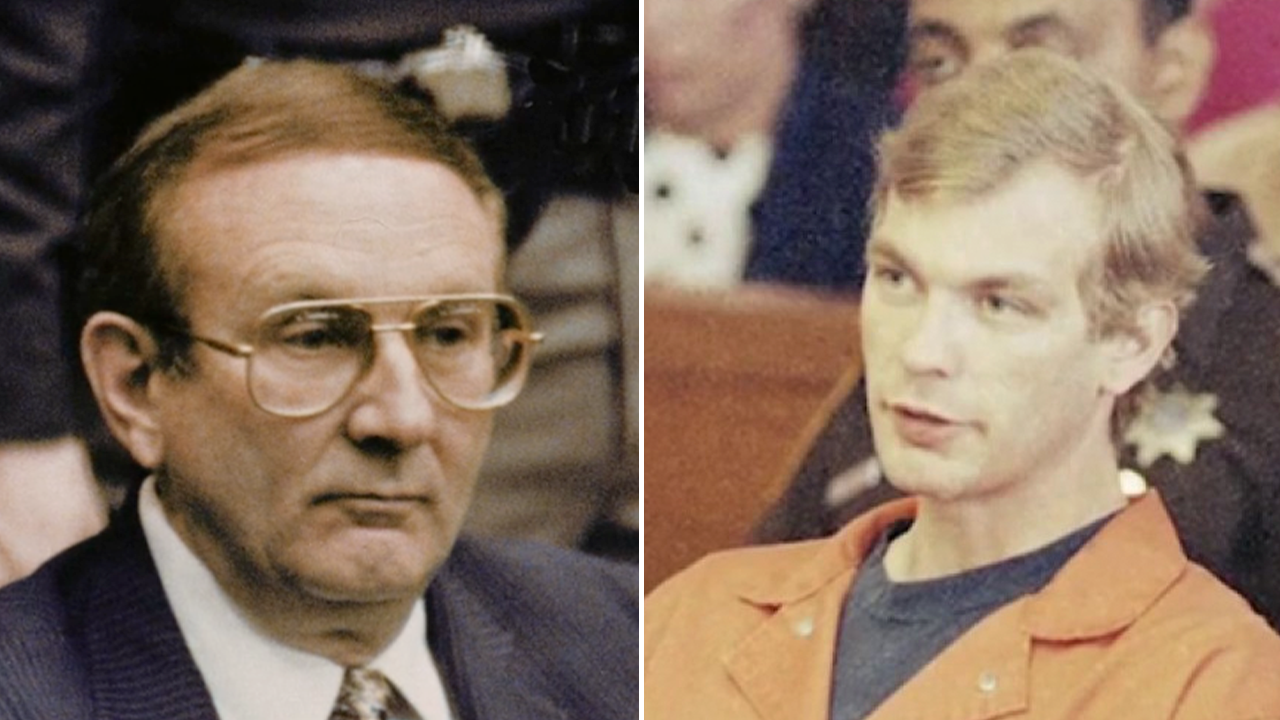
It is a line between the viral and the documented.
The May call was a failure the record admits.
The July Polaroids are evidence the record holds.
One is a story of what went wrong.
The other is a story of what was found.
The horror is in the description.
The weight is in the official log.
What the photographs showed is known to investigators.
What they showed is not known to the public.
That would require release.
That would require more than a theory.
AND THE STORY STILL ISN'T OVER
In February 1992, a jury found him guilty but sane on all 15 counts.
He was sentenced to 15 consecutive life terms, totaling 957 years.
The defense, led by Gerald Boyle, had argued insanity due to necrophilia and other disorders.
The prosecution argued he was legally sane.
The jury agreed with the prosecution.
Dahmer did not appeal.
In Ohio, he pleaded guilty to the 1978 murder of Steven Hicks.
He received an additional life sentence.
That made 16 known victims.
That made 16 families.
That made one man in a cell at the Columbia Correctional Institution in Portage, Wisconsin.
On November 28, 1994, Dahmer was murdered by a fellow inmate.
The inmate was Christopher Scarver, serving time for murder.
Scarver claimed he acted because Dahmer mocked his religious beliefs.
His exact motivations are not fully established beyond that claim.
That would require evidence.
That would require testimony.
That would require more than a claim.
The case did not end with Dahmer's death.
The Sinthasomphone family campaigned for changes in police procedures.
The Milwaukee Police Department revised its policies on domestic disputes and missing persons.
The apartment building where Dahmer lived was demolished in 1992.
The building is gone.
The record remains.
The record holds the documented failures and the documented evidence.
The story is still not over.
It is a story about what was returned.
It is a story about what was found.
It is a story about what was changed.
And it is a story about what was not.
Advertisement
You may also like
The 1975 missing-person report that led police to Gacy — and why they never searched his home
The report was filed in 1975, for a 16-year-old named John Butkovich. It led police to John Wayne Gacy's door. Gacy told them Butkovich…

The cellphone video that caught Alex Murdaugh's voice at the kennels — after he said he wasn't there
The 911 call came at 10:06 p.m. on June 7, 2021. Alex Murdaugh told the dispatcher he had just found his wife and son…
The $5,800 ransom found by a boy on a riverbank — and the FBI clue it left behind
The bills were rotting, half-buried in the sand of the Columbia River, near Vancouver, Washington. A young boy named Brian Ingram found them in…
The jailhouse confession that finally broke the Manson case wide open
In October 1969, a woman in jail on an unrelated charge began talking to her cellmate. Her name was Susan Atkins, and the cellmate…
The confession that shifted: DeFeo Jr. led police to a river — but who else walked through 112 Ocean Avenue first?
The first call came on November 13, 1974, from a house at 112 Ocean Avenue in Amityville, a village on Long Island. A 23-year-old…
The Volkswagen Beetle that led police to Ted Bundy's trail
It was a Volkswagen Beetle. Widely reported as central to Bundy’s method of approach, the car appears again and again in retellings of the…