The pregnant actress's last night: a phone call Sharon Tate made before the killings
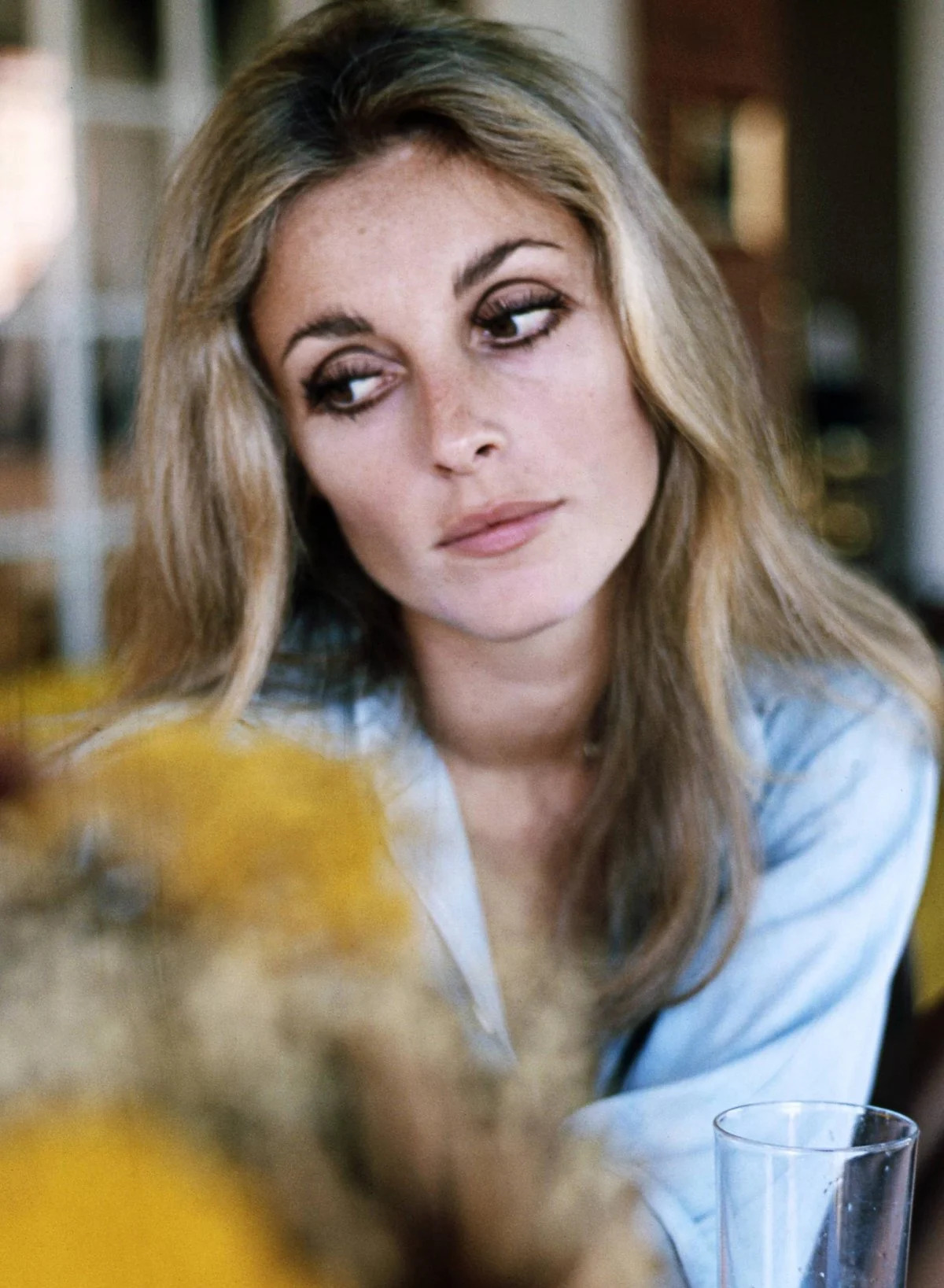
The phone rang at 10050 Cielo Drive on the night of August 8–9, 1969.
The woman who made the call was Sharon Tate, an actress eight-and-a-half months pregnant.
She called from the house in Benedict Canyon, Los Angeles.
The source material mentions the call.
It does not record what she said.
It does not record who she called.
It does not record why she called.
The recipient, the content, and the purpose are not established by the record.
That is all that is known: a call was made.
She was on the ground below.
By morning, Tate was dead, along with coffee heiress Abigail Folger, Folger's boyfriend, and celebrity hairdresser Jay Sebring.
Her friend, who had been visiting the caretaker, was killed in the driveway.
Four people were murdered inside or near the house that night.
The killers wrote "PIG" on the front door in blood.
The call is a detail that survives in the record, an ordinary act turned heavy.
What did she say?
Who answered?
Did she sound like herself?
That would require evidence.
The record holds only the fact of the call.
THE HOUSE ON CIELO DRIVE
The house at 10050 Cielo Drive sat in Benedict Canyon, above Los Angeles.
Sharon Tate and her husband, director Roman Polanski, had rented it.
On the night of August 8–9, 1969, five people were inside or near it.
Tate, eight-and-a-half months pregnant, was there.
Abigail Folger was there, and Folger's boyfriend.
Jay Sebring, the celebrity hairdresser, was there.
Tate's friend Steven Parent was visiting the caretaker.
Parent was killed in the driveway.
The house sat quietly, as houses do.
Not because it knew what was coming.
Because houses do not know.
The exact sequence of events inside that night is not detailed in the source.
What is recorded is the aftermath.
The killers wrote "PIG" on the front door in blood.
The next morning, the housekeeper, Winifred Chapman, discovered the murders.
She found what the night had left.
Four people were dead inside.
One was dead in the driveway.
The word on the door was a message, or a taunt, or a signature.
The record does not say which.
The house itself remained standing.
It stayed for twenty-five years.
In 1994, it was demolished.
The lot, the walls, the door with its word — gone.
What the house witnessed is not in the file.
What it held is.
The quiet.
The violence.
The morning.
THE SECOND NIGHT
The following night, August 9–10, 1969, supermarket executive Leno LaBianca and his wife Rosemary were murdered in their Los Feliz home.
The killers wrote "Death to Pigs," "Helter Skelter," and other phrases in blood.
Leno's son discovered the bodies.
He found his stepmother's body.
The pattern was there. The second night mirrored the first. The blood writing. The frenzy. The house left open.
Two nights. Two households. The prosecution's narrative would tie them together—one plan, one family, one motive.
Not because the evidence in the source says so. Because the record shows the same killers, the same night, the same words in blood.
What the record does not establish is the exact relationship between the two nights' killers beyond that prosecution narrative.
It is a connection argued in court. It is not a connection documented in detail.
The LaBianca murders were discovered by Leno's son, who found his stepmother's body.
The source does not provide details of the LaBianca victims' family statements.
No words from them. No public grief recorded here.
The house on Cielo Drive was quiet now. The Los Feliz house was not.
The killers moved from one to the other.
The pattern held.

THE INVESTIGATION AND THE TRIAL
The investigation first looked at the house’s previous tenant, record producer Terry Melcher.
It looked at a drug deal theory.
That theory did not hold.
The break came from a jail cell.
Susan Atkins, in custody on unrelated charges, told her cellmate about the murders.
The cellmate, Virginia Graham, testified.
Linda Kasabian was present that night but did not kill.
She became the prosecution’s key witness.
She was granted immunity.
The trial began in June 1970.
Manson, Atkins, Krenwinkel, and Van Houten were tried together.
Watson was tried separately after extradition from Texas.
All five were convicted of first-degree murder and conspiracy.
The jury imposed the death penalty.
California abolished capital punishment in 1972.
The sentences were commuted to life with parole.
What the jury heard in detail is not fully documented.
The exact evidence linking each defendant to each specific murder is not detailed in the source.
What is documented is the verdict.
It is documented that five people were convicted.
Manson died in prison in 2017.
Atkins died in prison in 2009.
Watson remains incarcerated.
Krenwinkel remains incarcerated.
Van Houten was granted parole in 2023 after decades of denials.
Doris Tate, Sharon’s mother, became a leading victims’ rights advocate.
She pushed for a California law allowing victims’ families to address parole hearings.
She died in 1992.
The case remains one of the most documented in American crime history.
Not because every fact is known.
Because so many facts are not.
AND THE STORY STILL ISN'T OVER
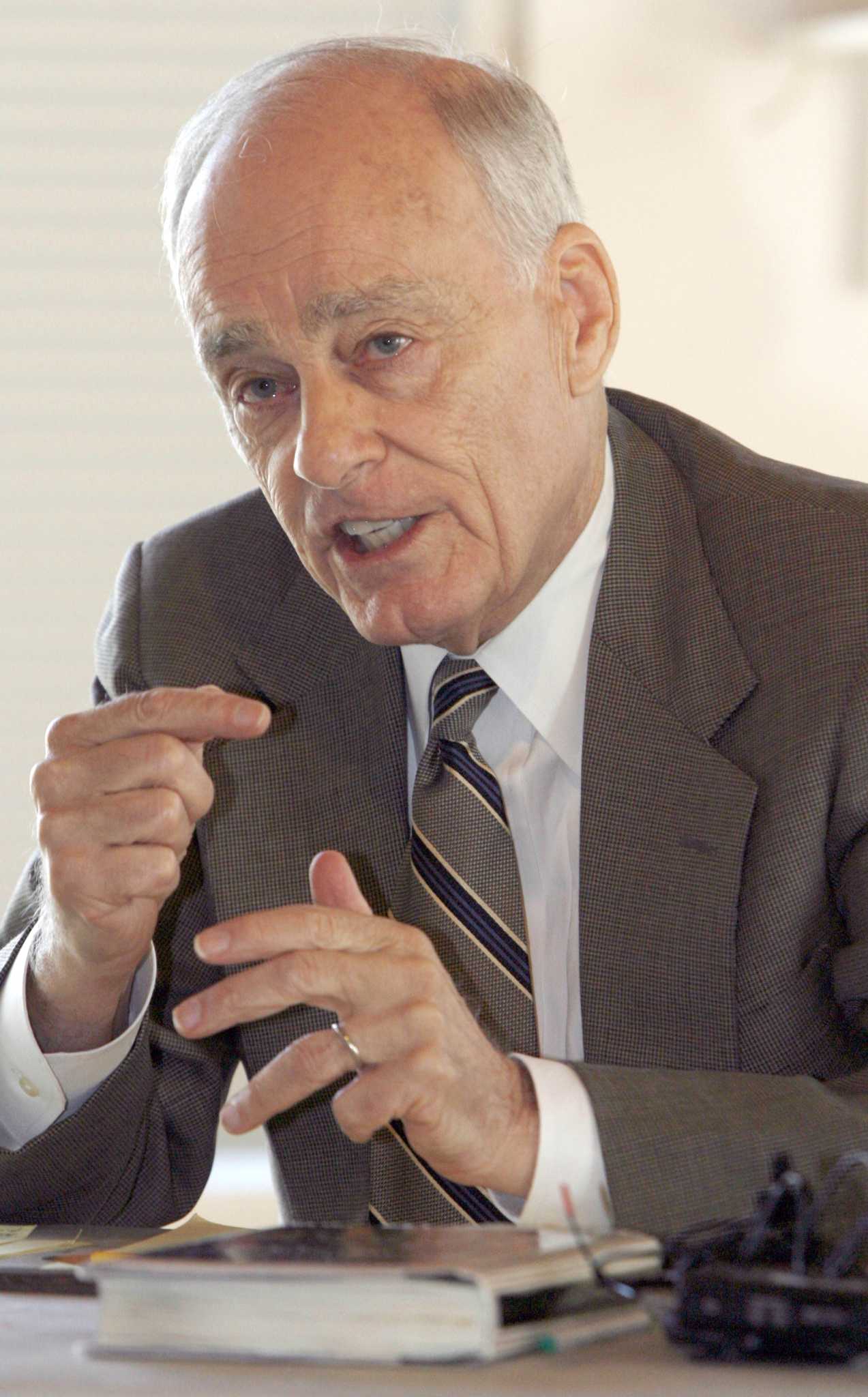
Doris Tate never stopped working.
She became the face of victims' rights in California, pushing for a law that let families speak at parole hearings.
She died in 1992, before that fight ended.
The house at 10050 Cielo Drive was demolished in 1994.
The case remains one of the most documented in American crime history.
Not because every fact is known.
Because so many facts are not.
Leslie Van Houten was granted parole in 2023, after decades of denials.
Charles Watson remains incarcerated.
Patricia Krenwinkel remains incarcerated.
The killers are still in prison.
The victims' families are still in the story.
Doris Tate's law changed how California hears from the bereaved.
She did not live to see Van Houten walk out.
She did not live to see the house come down.
She did not live to hear the last phone call explained.
That call remains an unresolved detail.
What Sharon Tate said that night is not in the record.
It is not established.
It will never be established.
The investigation was thorough.
The trial was long.
The convictions stood.
But the call itself — the words, the tone, the last thing she said — is gone.
The record shows she made the call.
The record does not show what she said.
That would require evidence no one has.
The house is gone.
The witnesses are gone.
Doris Tate is gone.
What remains is the law she helped write.
What remains is the unanswered call.
What remains is the silence after it.
Advertisement
You may also like
The desert graves that were found three years after a family vanished
The television was still on. Uneaten dinner sat on the table. The family dog was in the backyard. Both vehicles were still at the…
The false babysitter story that unraveled Casey Anthony's defense
She gave them a name. A babysitter named Zenaida Fernandez-Gonzalez, she told investigators, had taken her daughter. The name was repeated in news coverage.…
How a 14-year-old's open-casket funeral forced a nation to look at Emmett Till
She had the casket opened. Emmett Till's body came back to Chicago from the Tallahatchie River, where it was pulled from the water on…
The package to the Los Angeles Examiner that claimed to hold Black Dahlia clues
The package sat in a pile of mail at the Los Angeles Examiner, unremarkable until someone opened it. Inside were Elizabeth Short's address book…
Inside the taunting Zodiac letter that made a reporter a target
The envelopes arrived at the San Francisco Chronicle with return addresses that did not exist. Inside were letters, each one a taunt, each one…
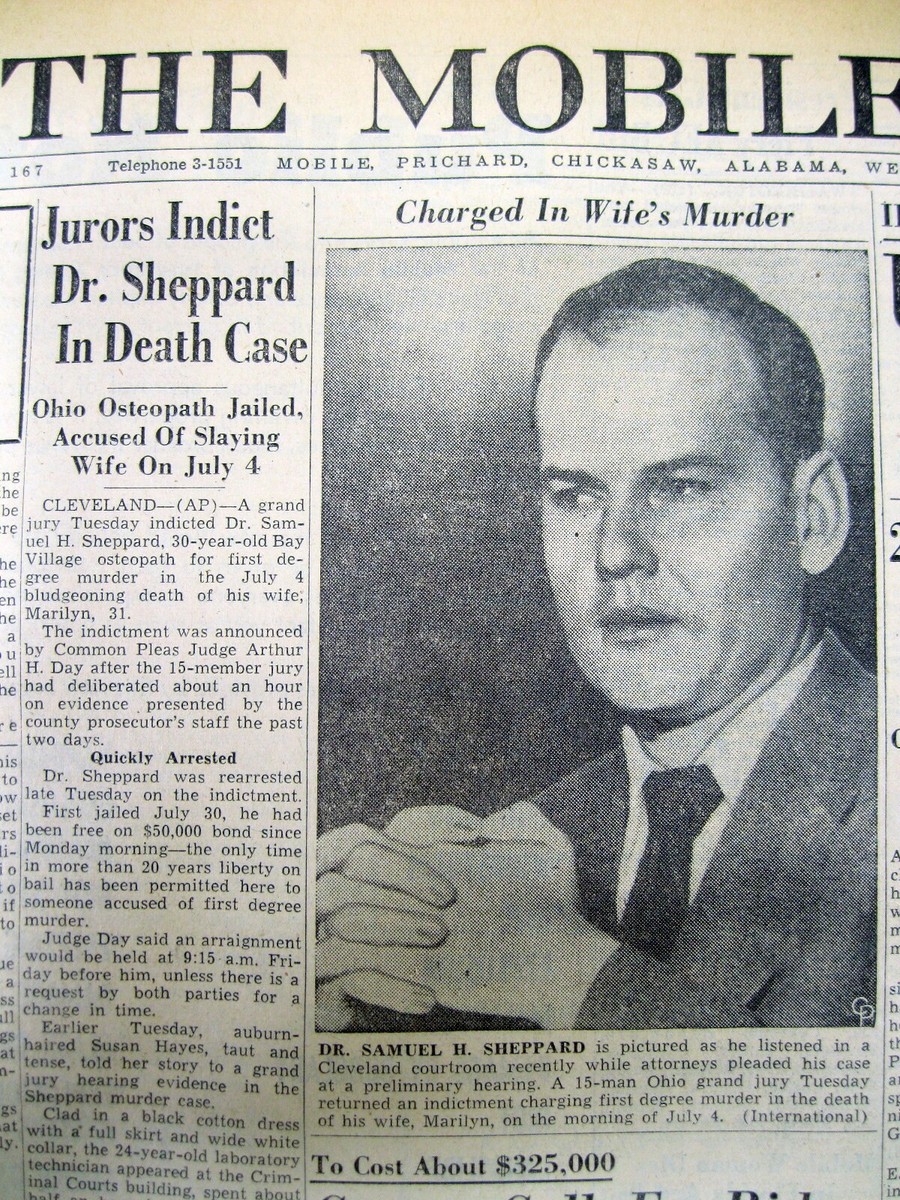
The 'bushy-haired' intruder Sheppard said he chased — and the question that haunted a courtroom
He told police he was asleep on a downstairs daybed when he heard noises. Dr. Sam Sheppard said he went upstairs, struggled with an…