The rest-stop nap that ended 22 days of D.C.-area terror
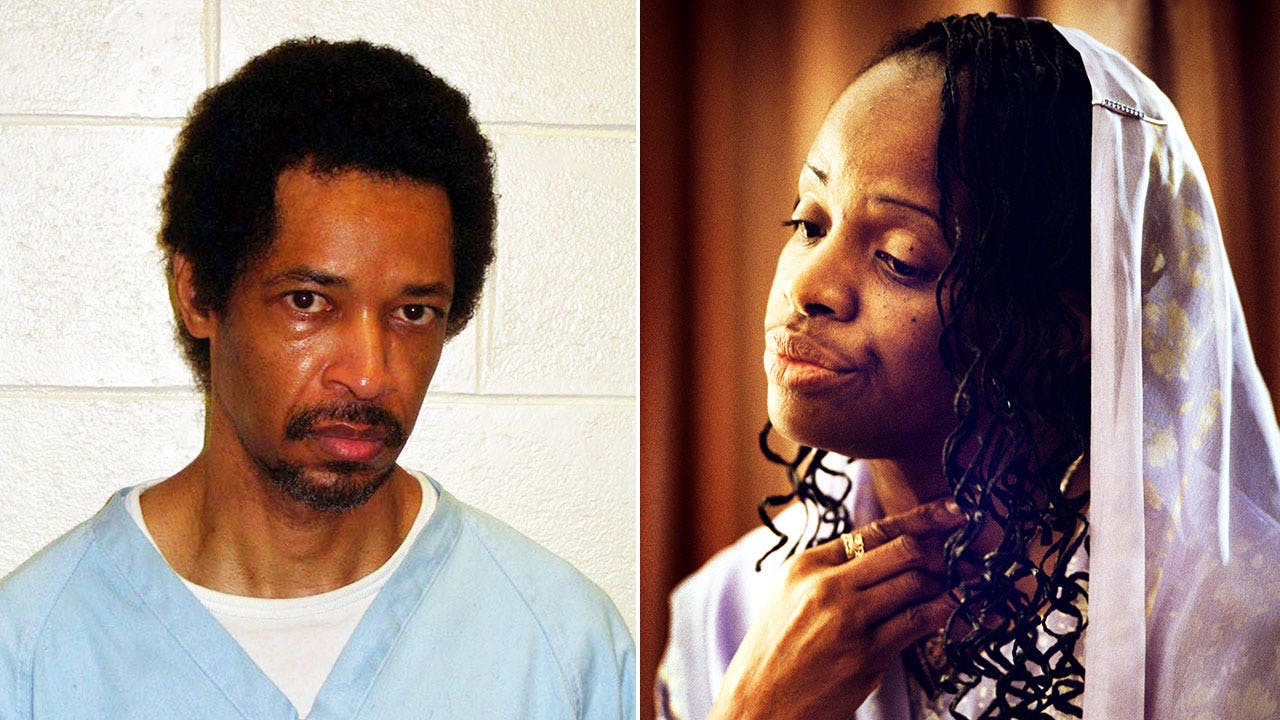
At 3:19 a.m. on October 24, 2002, police officers in Frederick County, Maryland, were checking the cars at a rest stop off Interstate 70 near Myersville.
They found two men asleep in a blue 1990 Chevrolet Caprice.
One of the officers noticed a gun case in the back seat.
He woke the driver.
The two men were John Allen Muhammad, a former U.S. Army soldier, and Lee Boyd Malvo, a teenager at the time.
The car contained a Bushmaster .223-caliber rifle and a tripod, per the investigation record.
The arrests ended a 22-day shooting spree that had terrorized the Washington, D.C., metropolitan area.
A theory circulating online — not a fact established by the record — is that the men were caught purely by chance.
The documented record shows a different path.
A caller claiming to be the shooter had left a note at a crime scene in Virginia, demanding $10 million.
That note led investigators to a tip about a blue Chevrolet Caprice.
The tip led to the rest stop.
The rest stop led to the rifle.
The rifle ended the case.
Why the two men were asleep at that rest stop, at that hour, is not in the record.
They were there.
That is what the record shows.
OCTOBER 2 — THE FIRST SHOT
It began on October 2, 2002, when someone shot and killed a man in a parking lot in Wheaton, Maryland.
Montgomery County police initially treated that first shooting as an isolated incident, the source reports.
Over the next three weeks, a series of random shootings terrorized the D.C. metropolitan area, spanning Maryland, Virginia, and the District of Columbia.
Victims were killed or wounded while pumping gas, mowing a lawn, loading a truck, or walking down a street.
Several survived, including a 13-year-old boy shot outside his middle school in Bowie, Maryland.
The attacks appeared random, and the public was urged to stay indoors.
Was it one shooter?
Two?
A white van, some early reports said — a false report, according to the source.
That would require evidence.
The attacks were random. The attacks were everywhere.
As the body count rose, a multi-jurisdictional task force formed, and the case became a national crisis.
Charles Moose, the Montgomery County police chief, became the public face of the investigation, reading statements and appeals for tips.
The identity of the shooter was not known at this point.
The source does not state when police first suspected Muhammad or Malvo.
What was known: a man was dead in a parking lot, and no one yet understood why.
She was on the ground below.
THE NOTE AND THE TIP
The turning point came as a note.
A caller claiming to be the shooter left it at a crime scene in Virginia, demanding $10 million.
Chief Charles Moose read statements and appeals for tips.
The public heard his voice, and the case gained a face.
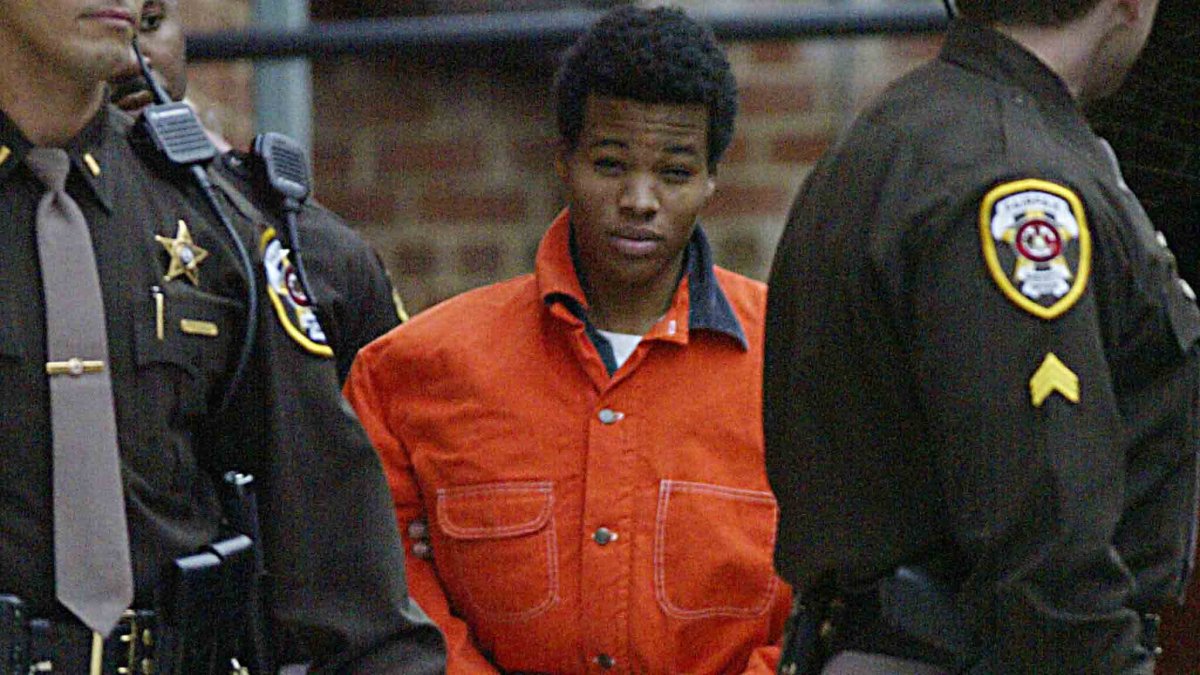
The note led investigators to a tip about a blue Chevrolet Caprice.
The car was found at a rest stop near Myersville, Maryland.
Inside it, a rifle and a tripod.
The exact wording of the note is not in the record.
The identity of the tipster is not in the record.
Ballistics evidence linked many of the shootings to a single weapon, a Bushmaster .223-caliber rifle.
Forensic evidence, including fingerprints and DNA, tied Muhammad and Malvo to the rifle and the car, per the source.
The case was not always this methodical.
Jurisdictional disputes hampered the investigation.
Early missteps included a false report linking the shootings to a white van.
That report sent investigators down a road that led nowhere.
It is a story of chaos turning into order.
Not because of a single breakthrough.
But because of a note, a tip, and a lab bench.
The random terror became a solvable case.
The rifle matched.
The fingerprints matched.
The car matched.
That would require evidence, and the evidence accumulated.
The rest stop nap came next.
TWO TRIALS, TWO VERDICTS
The trials came in two parts, and the verdicts did not match.
John Allen Muhammad was tried first, in Virginia, on charges of capital murder for the killing of a man at a gas station.
The gas-station victim was Dean Harold Meyers, according to the record, though that name may not appear in news coverage.
Prosecutors built the case around the single Bushmaster rifle and the car.
Muhammad was convicted.
He was sentenced to death.
He was executed by lethal injection on November 10, 2009, in Virginia.
That was the finality of one verdict.
Lee Boyd Malvo was tried separately, also in Virginia, for the killing of a woman in Falls Church.
The Falls Church victim was Linda Franklin, according to the record, though that name may not appear in news coverage.
Malvo was convicted of capital murder.
The jury declined to impose the death penalty.
He was sentenced to life in prison without parole.
The record does not state whether the jury gave reasons for declining the death penalty.
That question remains open.
Malvo’s conviction was later upheld on appeal.
Two trials, two outcomes.
One man executed, one man serving life.
Both men were linked to other shootings, but the Virginia trials covered only the charges brought there.

The other cases never went to trial in that state.
The legal record closed on what Virginia charged.
The rifle linked the shootings; the trials separated the men.
Muhammad’s case ended on a November morning in 2009.
Malvo’s case ended in a sentence that holds to this day.
The weight of the resolution is uneven.
A death penalty for one, a life sentence for the other.
The jury’s silence on Malvo’s sentence is part of the record.
That silence is not explained.
It is simply what happened.
AND THE STORY STILL ISN'T OVER
John Allen Muhammad was executed by lethal injection on November 10, 2009, in Virginia.
Lee Boyd Malvo remains in prison in Virginia, serving life without parole.
In 2017, a federal judge ruled that Malvo's life sentence was unconstitutional for a juvenile.
The ruling was later overturned.
His sentence stands.
The Chevrolet Caprice used in the attacks was destroyed by authorities after the trials.
The car is gone.
The families of the victims have continued to speak publicly about the case.
They speak at anniversaries.
They speak at hearings.
They speak because the record is closed but the aftermath is not.
What comes next?
Is there a pending motion?
A hearing date?
A legal step?
That would require evidence.
The record does not list any next concrete step.
No pending hearing is mentioned.
No motion is cited.
The trials are over.
The convictions are upheld.
The sentence was challenged, and the challenge failed.
It is resolved.
It is also contested.
The legal status of Malvo's sentence has been reviewed and reaffirmed.
It remains a point of ongoing review.
That is what the record shows.
That is all the record shows.
The case, legally, is done.
It has not fully faded.
Advertisement
You may also like
The bloody glove found at O.J. Simpson’s estate that split a nation
A single glove lay on the walk outside Nicole Brown Simpson’s condominium on Bundy Drive. Police found it on the night of June 12,…
A 12-year-old girl was among the victims — and her parents kept coming to court
The youngest name on the list was twelve years old. Between October 1977 and February 1978, ten young women and girls were abducted, sexually…
Why a therapist's tape recording changed the Menendez brothers' murder case
The 911 dispatcher logged the call at 11:47 p.m. on August 20, 1989. Lyle Menendez told the operator his parents had been shot. He…
The confession that named 11 victims — but never made it to trial
In 1965, a man already in custody for other crimes gave a detailed confession to a series of murders that had terrorized Boston since…
The plea deal that let Epstein walk — and the 2018 report that changed everything
In 2018, the Miami Herald published a series by Julie K. Brown on Jeffrey Epstein’s 2008 plea deal. The series documented what federal prosecutors…
The fingerprint on a pillowcase that sealed a killer's fate — and the appeals that keep him alive
The pillowcase was ordinary. It sat in Polly Klaas's mother's home in Petaluma, California, on the night of October 1, 1993. Twelve-year-old Polly was…