Sharon Tate's mother turned grief into a fight — the parole battles
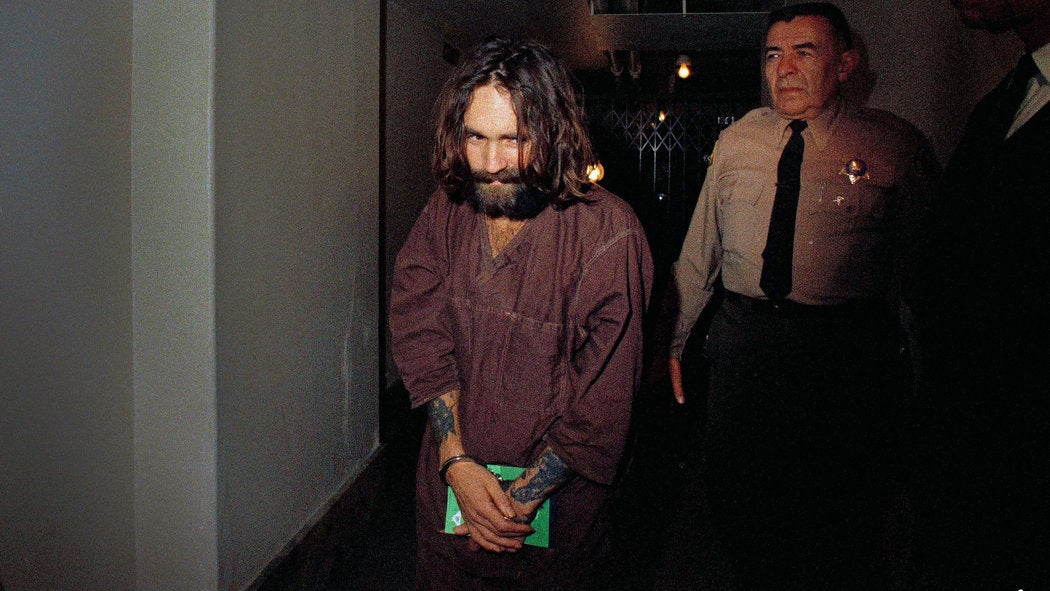
She testified, they say. She stood in those rooms and told the men what her daughter was to her.
Doris Tate became a prominent victims' rights advocate after the murders. The record shows that, clearly.
She pushed for a California constitutional amendment guaranteeing victims a voice in parole hearings. That push is documented. The amendment exists because of that work.
What she said in those hearings, word for word? That is not in the record.
Not the exact phrasing. Not the specific sentences she chose. The record gives us the fight, not the speech.
She was Sharon Tate's mother. Her daughter was eight and a half months pregnant when she was murdered on the night of August 8–9, 1969.
A mother does not need a transcript to be heard. A mother's grief is its own testimony.
But this story is about what is documented. It is also about what is not.
Doris Tate carried her daughter's name into rooms where killers asked for freedom. She made them answer for it.
She died in 1992. Her amendment remains in effect.
The parole battles continued after her. They continue still.
How does a mother turn grief into a fight? That is the question the record leaves open.
The answer would require her own words. Those words are not in the source.
What remains is the fact of her standing there. What remains is what she built.
AUGUST 1969 — THE MURDERS
On the night of August 8–9, 1969, members of a group led by Charles Manson murdered five people at 10050 Cielo Drive in Benedict Canyon, Los Angeles.
The victims were actress Sharon Tate, who was eight and a half months pregnant.
Coffee heiress Abigail Folger was there, and so was her boyfriend.

Celebrity hairstylist Jay Sebring was there.
A young man visiting the property's caretaker was there too.
The record does not specify the exact relationship of that young man to the caretaker.
The following night, August 9–10, the same group murdered supermarket executive Leno LaBianca and his wife, Rosemary LaBianca, at their home in the Los Feliz area.
The killings were discovered the following mornings.
Friends found them.
Family found them.
Sharon Tate's husband was in London at the time.
He returned to identify her body.
She was on the ground below.
The case became known as the Tate–LaBianca murders.
The horror was not abstract.
It was a house on a hill.
It was a pregnant woman.
It was a mother's daughter.
What remains is the fact of the address.
What remains is the date.
What remains is the loss the families carried into every room they entered afterward.
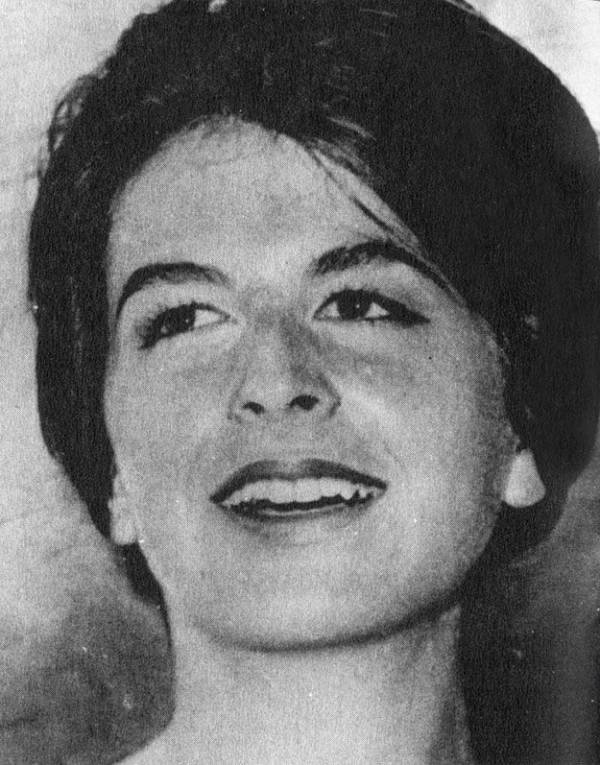
THE TRIAL AND THE VERDICT
The trial began in June 1970.
It lasted over nine months.
Manson, Susan Atkins, Patricia Krenwinkel, and Leslie Van Houten were charged with seven counts of first-degree murder and conspiracy.
All four were convicted on January 25, 1971.
The jury fixed the penalty at death for all four.
Judge Charles Older sentenced them to death.
In 1972, the California Supreme Court abolished the death penalty.
Their sentences were commuted to life in prison with the possibility of parole.
Tex Watson was tried separately.
He was convicted.
He, too, was sentenced to death.
His sentence was later commuted to life.
The specific arguments made by the defense during the trial are not detailed in the source.
That is not established in the record.
What is documented is the verdict.
What is documented is the sentence.
What is documented is the commutation that followed.
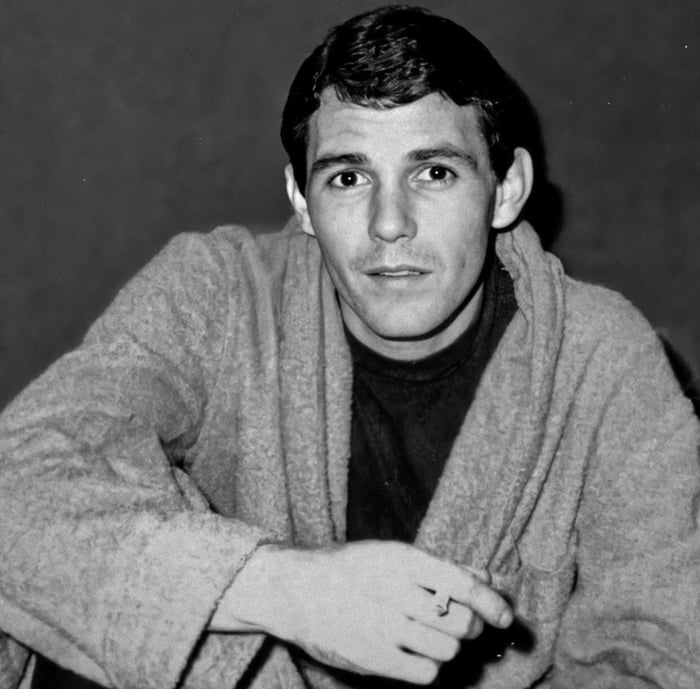
The families who had buried their dead in August 1969 now faced a new calendar.
Life in prison with the possibility of parole.
Not a closed door.
A door left open.
THE PAROLE BATTLES
The parole hearings began in the 1970s.
Doris Tate sat through them.
She was Sharon Tate’s mother, and she watched the people convicted of her daughter’s murder ask for freedom.
She became a leading advocate for victims’ rights.
She pushed for a California constitutional amendment guaranteeing victims a voice in parole hearings.
The amendment passed.
It remains in effect.
The specific words Doris Tate spoke at those hearings are not detailed in the source.
What is documented is her presence and her fight.
Leslie Van Houten was granted parole multiple times.
Her release was blocked by governors.
In 2023, she was released on parole.
The Tate and LaBianca families have continued to speak publicly against parole for the killers.

They have done so for decades.
Susan Atkins died in prison in 2009.
Charles Manson died in prison on November 19, 2017, at age 83.
Patricia Krenwinkel remains incarcerated.
Tex Watson remains incarcerated.
The door that was left open at sentencing stayed open for some.
It closed for others with death.
Doris Tate died in 1992.
Her advocacy did not die with her.
The amendment she pushed for is still the law in California.
Victims’ families still have a voice in the room.
That is the documented record.
What Doris Tate said at any single hearing is not.
AND THE STORY STILL ISN'T OVER
Doris Tate died in 1992.
Her advocacy outlived her.
The California constitutional amendment she pushed for remains in effect today.
Victims’ families still have a voice in the room when parole is considered.

Patricia Krenwinkel remains incarcerated.
Tex Watson remains incarcerated.
No release dates for either are mentioned in the record.
The families continue to speak publicly against parole.
They have done so for decades, through hearings and denials and commutations.
Leslie Van Houten was released on parole in 2023.
The others were not.
Charles Manson died in prison on November 19, 2017, at age 83.
Susan Atkins died in prison in 2009.
Linda Kasabian died in 2020.
The remaining killers are still inside.
What comes next is any future parole hearing for Krenwinkel or Watson.
The dates of those hearings are not in the record.
Not because they will not happen.
But because the record does not say when.
That would require evidence.
So the story continues in the ordinary way: with waiting, and with families who still speak.
Doris Tate turned grief into a fight.
The fight remains.
Advertisement
You may also like
The Volkswagen Beetle that led police to Ted Bundy's trail
It was a Volkswagen Beetle. Widely reported as central to Bundy’s method of approach, the car appears again and again in retellings of the…
A pajama top's ice-pick hole pattern that sealed a 1979 conviction — and the man still fighting it
The pajama top is folded into the evidence file, its fabric held together by the holes that mattered. Army Captain Jeffrey MacDonald's pajama top…
The phone records that placed Adnan Syed near Leakin Park—but may not have been his calls
The phone records placed Adnan Syed near Leakin Park at the time of the burial. The records were built on incoming calls. Incoming calls…
A floppy disk question that led police to a church computer — and a killer
In 2004, a man who had taunted police for decades under the name BTK asked a question in a letter. He wanted to know…
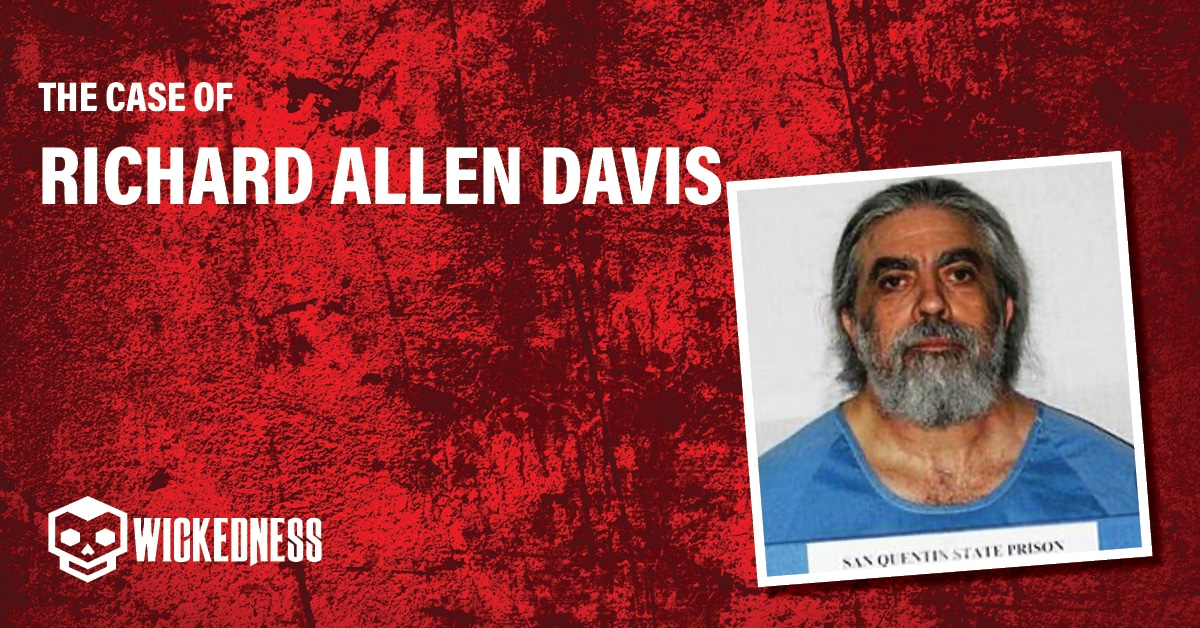
A parole check unearthed a kidnapper's confession — but only after a 2-month cold case
The night of October 1, 1993, began as a slumber party. Twelve-year-old Polly Klaas was in her mother's home in Petaluma, California, with two…
The parole violation that ended a career criminal's run — and a 12-year-old's slumber party
December 4, 1993. Richard Allen Davis was arrested for violating parole. The charge was unrelated to Polly Klaas. The specific nature of the parole…