The tow-yard odor and the phantom babysitter that defined the Casey Anthony murder trial
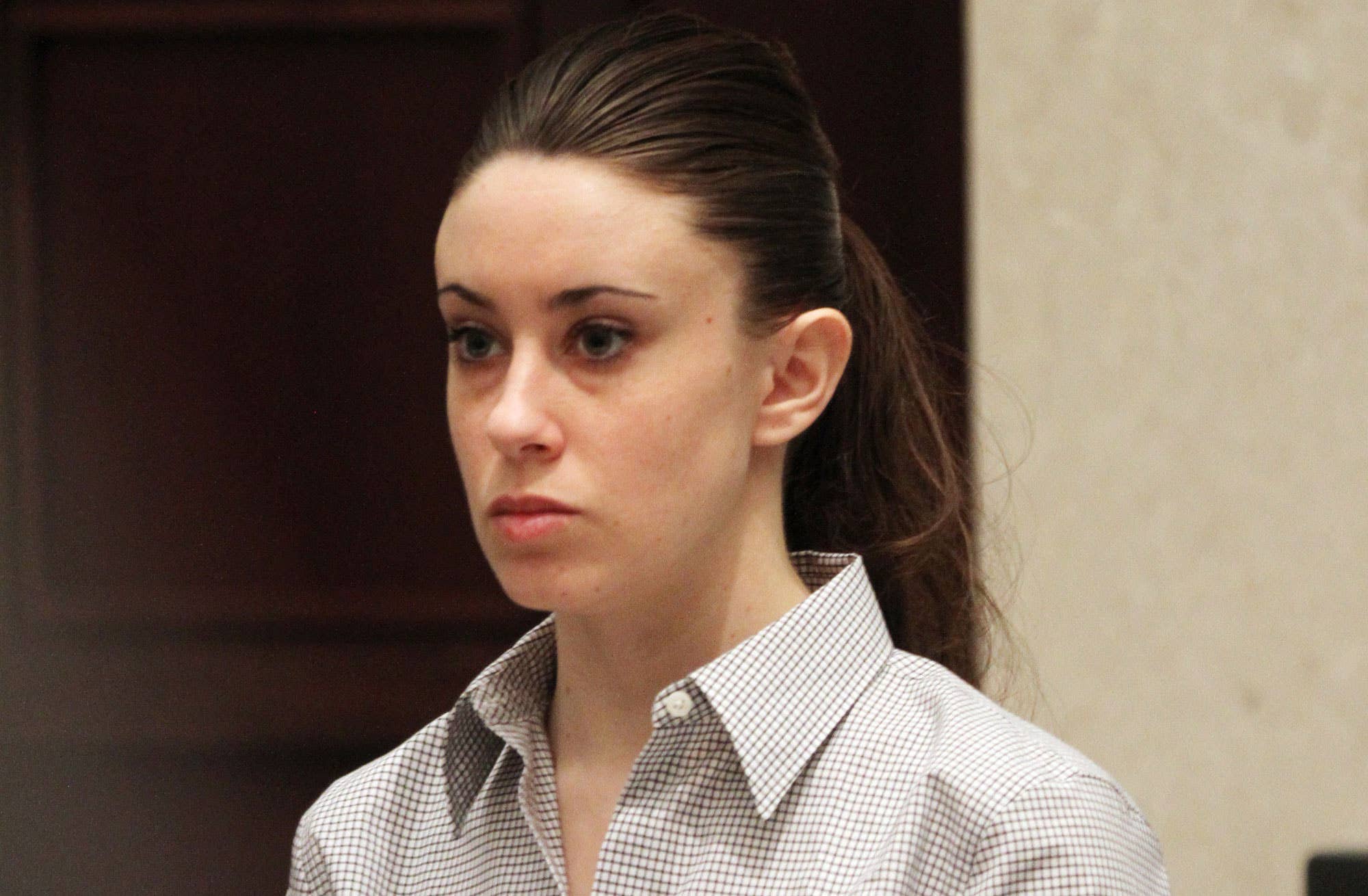
The name was Zenaida Fernandez-Gonzalez.
Casey Anthony told investigators that this babysitter had kidnapped her two-year-old daughter, Caylee.
She said the woman took the child a month before anyone reported her missing.
The story was specific. It had a name, a role, a culprit.
Investigators later established that no such babysitter existed.
The name belonged to no one who had ever watched Caylee.
It was a fiction offered to police, repeated in interviews, and carried into the national conversation.
The claim became a defining, viral part of the case.
It was not a fact established by the record.
The case itself began on July 15, 2008, with a phone call.
Cindy Anthony called 911 to report Caylee missing.
Her daughter, Casey, was there. The child was not.
A grandmother’s voice on the line, a two-year-old gone for a month.
That was the mundane horror at the center of it all.
A missing child. A mother with a story.
The phantom babysitter was the story.
The record shows only the lie, not the woman.
No one by that name ever surfaced. No evidence placed her anywhere near the child.
That would require evidence.
The dissonance was plain: a mother’s unbelievable tale against the quiet fact of an empty bed.
What remains is the gap between what Casey Anthony claimed and what investigators found.
Nothing else.
THE 911 CALL AND THE LIES
It was Cindy Anthony who called 911 on July 15, 2008, reporting her granddaughter Caylee missing.
The call came a full month after Casey Anthony claimed she had last seen her daughter.
Detectives from the Orange County Sheriff's Office led the investigation.
They heard a story that kept changing.
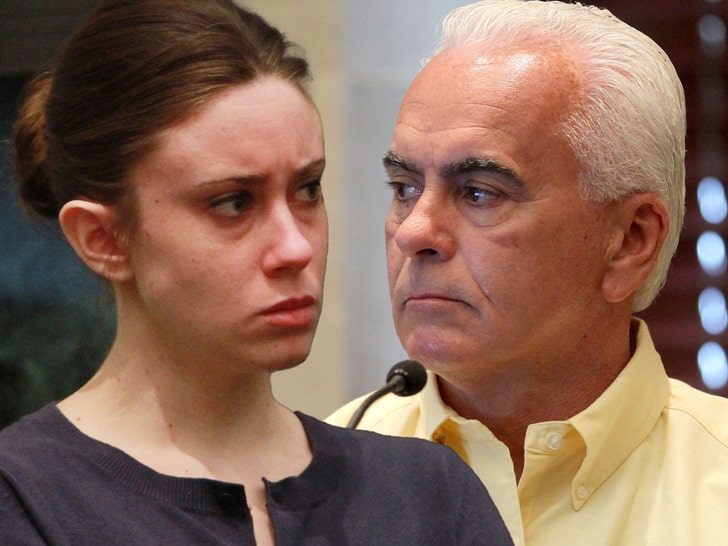
Casey told them Caylee had been kidnapped by a babysitter named Zenaida Fernandez-Gonzalez.
Investigators later established that no such babysitter existed.
The phantom babysitter was a lie, and the record shows it was a lie.
She gave investigators multiple false stories, each one unravelling under routine checks.
The exact date Caylee was last seen is not established.
Casey claimed it was a month before the 911 call, but the source does not confirm that date.
What is documented is the gap: a child missing, a mother silent, a grandmother calling.
How could a mother wait a month to report her child missing?
How could she invent a kidnapper who was never there?
How could she sit through interviews and hold to a story that fell apart at the first question?
The record does not answer that.
It only records the calls, the claims, and the lies.
Cindy Anthony made the report; Casey Anthony made the explanations.
The detectives wrote it all down.
The case file grew with each false story.
The phantom babysitter became the defining claim, repeated in headlines and hearings alike.
But it was never a fact established by the investigation.
It was a story told to investigators, and nothing more.
The child was not found that day.
The search had only just begun.
THE TOW-YARD ODOR AND THE REMAINS
The car sat in the tow yard for days before anyone noticed.
An employee at the yard reported a decomposition odor coming from the trunk.
The trunk belonged to Casey Anthony's car.
Forensic testing later detected chloroform in that same trunk.
Chloroform is a chemical once used to incapacitate.
The prosecution said the combination — the odor, the chemical — pointed to what had happened.

The defense offered other explanations.
A child's skeletal remains were found on December 11, 2008.
They were discovered in a wooded area near the Anthony family home.
The man who found them was Roy Kronk.
Kronk testified about the discovery.
The defense attacked his credibility, suggesting he had planted the remains.
The prosecution dismissed that theory.
The medical examiner testified about the bones.
She said the cause of death could not be determined.
The manner of death, she testified, was homicide.
Not because the evidence proved how the child died.
But because the remains were those of a two-year-old who had been missing for months.
The cause of death is not established.
That is what the record shows.
The child was gone.
The remains were found.
The trial would turn on what the jury made of that gap.
TWO STORIES, ONE CHILD
The courtroom in Orlando filled on May 3, 2011.
The prosecution opened with a simple claim: Casey Anthony killed her daughter to live a carefree life.
A carefree life.
That was the motive they put before the jury.
The defense answered with a different story entirely.
Caylee did not die at her mother's hands, the defense argued.
She drowned.
Accidentally, in the family pool.
And then George Anthony, her grandfather, disposed of the body.
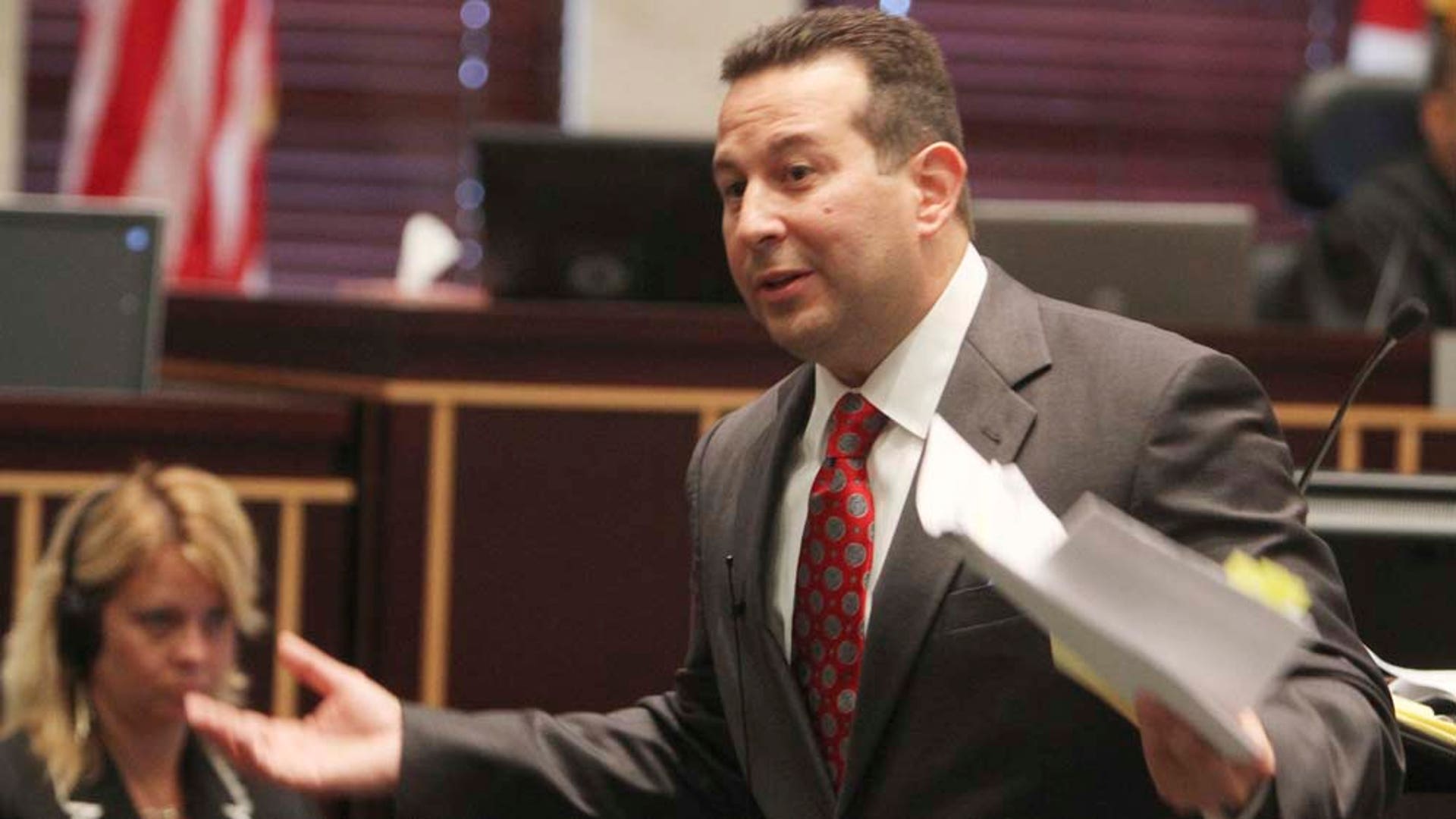
The defense went further, claiming Casey had been sexually abused by her father for years.
That abuse, they argued, explained her lies.
It explained the delay in reporting the child missing.
It explained everything, if you believed it.
The prosecution called the drowning theory an invention.
The lead prosecutor pressed the circumstantial case: the chloroform in the trunk, the odor, the lies.
The defense called its own experts, including a forensic scientist who challenged the state's reading of the evidence.
The judge presided over it all, a trial that ran for weeks in the Florida summer.
The jury deliberated.
On July 5, 2011, they returned.
Not guilty of first-degree murder.
Not guilty of aggravated child abuse.
Not guilty of aggravated manslaughter of a child.
Guilty only of four misdemeanor counts of providing false information to law enforcement.
The courtroom reacted with a shock that rippled outward for years.
The verdict meant the jury did not believe the prosecution's story beyond a reasonable doubt.
It did not mean they believed the defense's story either.
No one has ever been charged in Caylee's death.
The cause of death was never definitively established.
The truth of what happened to Caylee is not established by the record.
Both stories remain unproven.
One child.
Two stories.
No answer.
AND THE STORY STILL ISN'T OVER
She was released from jail on July 17, 2011.
Time served.

Four years of probation.
The jury acquitted her of murder, aggravated child abuse, and aggravated manslaughter of a child.
It convicted her only of four misdemeanor counts of lying to police.
She walked out of the jail, and the cameras followed her for a while, and then they stopped.
She has largely remained out of the public eye since.
She has occasionally appeared in media interviews.
She has faced legal issues related to probation and bankruptcy.
George and Cindy Anthony have remained in Florida.
No one else has ever been charged in Caylee’s death.
That is the record, and the record holds a hole where the answer should be.
What actually happened to Caylee is not established.
The cause of death was never definitively determined.
The defense argued she drowned in the family pool.
The prosecution argued her mother killed her.
The jury heard both stories and returned a verdict that satisfied neither side.
The public reaction to the acquittal remains deeply divided.
Some believe the state failed.
Some believe the jury failed.
Some believe the system worked exactly as it was supposed to, even when the outcome felt wrong.
That would require evidence, and the evidence ran out long ago.
One child.
Two stories.
No answer.
The case has been the subject of numerous documentaries and books.
The cameras keep returning to Orlando.
The question does not age.
It just waits.
Advertisement
You may also like
The 31 days Casey Anthony never reported her toddler missing
The 911 call came from a house in Orlando, Florida, on July 15, 2008. Cindy Anthony was on the line, and she told the…
The handwritten note Tsarnaev left inside the boat before capture
The boat sat in a Watertown backyard, dry-docked and winter-covered, on the morning of April 19, 2013. Inside it, police found Dzhokhar Tsarnaev, hiding…
A non-prosecution deal in 2007 that still haunts the Epstein case — how one promise shielded him for years
It begins with a signature. In 2007, federal prosecutors in Miami negotiated a non-prosecution agreement with Jeffrey Epstein, the wealthy financier accused of sexually…
The confession Ottis Toole made four times that police still wouldn't believe
He said he did it. Then he said he didn't. Ottis Toole was a serial killer. He confessed to the murder of six-year-old Adam…
The calling card left on a choir singer's body that police couldn't explain
The morning of September 15, 1922, a local man found two bodies beneath a crabapple tree in a secluded lane known as "Lovers' Lane"…
The two-word confession that cracked the Hillside Strangler case
He was arrested in Bellingham, Washington, in January 1979, for the murders of two women there. Under interrogation, Kenneth Bianchi confessed to those killings.…